
A frozen or chilled load is only as good as its warmest hour on the road. If you manage logistics for an FMCG, dairy, ice cream or food brand, choosing reefer truck transport services in India is a quality decision as much as a freight decision. One temperature excursion between plant and distributor can mean a rejected consignment, a write-off and a difficult call with your quality team.
This guide explains what a reefer service should include, which temperature modes apply to which products, and how to vet a carrier before you award a lane. It also covers the part most guides skip: what your own dock team controls. Use it as a working checklist for your next transporter review.
What are reefer truck transport services?
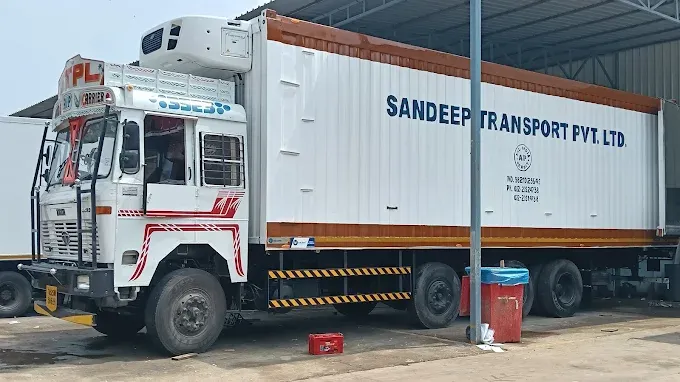
Reefer truck transport services move temperature-sensitive goods by road in insulated containers fitted with a refrigeration unit. The unit holds a set temperature for the whole trip, whether frozen, chilled or controlled ambient. A complete service also covers temperature monitoring, GPS tracking, food-safety compliance and trip records, so the shipper can prove the cold chain stayed intact.
Why refrigerated truck capacity is tight in India
Demand for cold chain transport is growing faster than the fleet that serves it. IMARC Group values India's cold chain transport market at USD 12.6 billion in 2025 and projects USD 27.4 billion by 2034 (IMARC Group).
Supply has not kept pace. Figures reported by the International Institute of Refrigeration, citing the National Centre for Cold-chain Development (NCCD), put about 10,000 refrigerated vehicles in operation against an estimated need of at least 62,000 (IIR, 2025).
For a logistics head, that gap has two practical effects:
- Reliable reefer capacity is scarce in peak season. Summer ice cream demand and festive FMCG volumes compete for the same trucks.
- Carrier quality varies widely. An insulated box with a working compressor is not the same as a monitored, documented cold chain.
That is why vetting matters more here than in dry freight.
Temperature modes: frozen, chilled and ambient
Most refrigerated transport in India runs in one of three modes. The right one depends on your product specification, not on what the truck carried last week.
| Mode | Typical temperature | Typical products |
|---|---|---|
| Frozen | −18°C or colder | Ice cream, frozen foods, frozen ingredients |
| Chilled (reefer) | 0°C to +5°C | Dairy, chilled FMCG, fresh packaged foods |
| Pharma cold chain | Commonly +2°C to +8°C | Many vaccines and temperature-sensitive medicines |
| Ambient | Protected, not actively cooled | Packaged FMCG that needs a clean, enclosed container |
The frozen and chilled ranges above follow the FSSAI handbook on safe storage, distribution and transportation of food. It states that vehicles carrying frozen products must hold −18°C or colder, and that air temperature for chilled foods should be 0°C to +5°C (FSSAI FoSTaC handbook).
Always put your product's set point in writing on the indent or loading advice. Some products, such as ice cream, need a colder set point than the regulatory minimum. Your quality team owns that number.
What a reefer truck transport service should include
A quote that lists only a route and a rate is not a cold chain service. Before comparing prices, confirm that each carrier's offer includes the following:
- A refrigerated, insulated container sized for your pallet or carton plan.
- A set temperature mode agreed per trip and recorded on the paperwork.
- Temperature sensors inside the container, not just a reading at loading.
- GPS tracking for the full journey, with status updates you can pass to your consignee.
- A food transporter licence under FSSAI, where the cargo is food.
- A named contact who can answer for the truck at any stage of the trip.
If any item is missing, the lower rate is carrying a risk your brand will pay for later.
How to evaluate a reefer transport company in India
Use these eight checks when you shortlist carriers. They work for a new vendor and for an annual review of an existing one.
1. Ask for compliance documents first
Request the FSSAI licence copy, vehicle registration and fitness papers, and insurance details. A carrier that handles food regularly keeps these ready for vendor onboarding.
2. Check fleet size and container type
Ask how many refrigerated trucks the carrier runs and in which sizes. A larger fleet in one standard size makes placement more predictable on high-volume lanes.
3. Confirm how temperature is monitored
Ask where the sensors sit, how often they record and who watches the readings. In-transit monitoring is what separates a controlled trip from a hopeful one.
4. Ask about temperature records
The FSSAI handbook says complete temperature logs should be kept for chilled and frozen vehicles. Ask whether you can receive the trip record if a consignee raises a dispute.
5. Review maintenance and calibration
Refrigeration units need a regular maintenance programme. The same FSSAI handbook recommends annual calibration of cooling units. Ask when the units were last serviced.
6. Check cleaning between loads
Food containers must be cleaned between loads, and disinfected where needed. Ask what the carrier does after carrying strong-smelling or raw products.
7. Look at driver monitoring
Driver behaviour affects both safety and cargo. A unit switched off to save fuel is a known cold chain risk. Ask how the carrier detects it. Dashcams and live temperature alerts are two common answers.
8. Test the escalation path
Ask a simple question: "If the unit trips at 2 am, who calls whom?" A clear answer shows a working process. A vague one shows there isn't one.
What your dock team controls before the truck leaves
Carriers get most of the blame for temperature failures. In practice, many problems start at loading. A reefer unit is built to hold temperature, not to pull warm product down to it.
Build these five habits into your dispatch process:
- Load product at its target temperature. Check the core temperature of sample cartons before loading and record it.
- Confirm the container is pre-cooled. Read the display and note the value on the loading sheet before the first pallet goes in.
- Leave space for airflow. Do not block the unit's air outlet or stack tight against the doors and roof.
- Keep door-open time short. Stage pallets in advance so the doors close quickly. Warm, humid air causes frost and temperature rise.
- Write the set point on every document. The driver, the carrier's control desk and the consignee should all see the same number.
At the receiving end, ask the consignee to check and record the arrival temperature before unloading. That one line protects both shipper and carrier if a claim follows.
What affects the cost of refrigerated truck transport
Reefer freight costs more than dry freight on the same lane because the truck burns extra fuel to run the refrigeration unit and carries more expensive equipment. Rates change with diesel prices and season, so treat any figure you see online as indicative.
The main cost drivers are:
- Distance and lane balance. A lane with a return load is cheaper than one where the truck comes back empty.
- Temperature mode. Frozen trips use more fuel than chilled or ambient ones.
- Season. Summer and festive months tighten capacity.
- Loading and unloading time. Long detention at docks adds cost on both sides.
- Volume commitment. Regular monthly loads usually earn steadier rates than one-off trips.
When you compare quotes, compare the full scope from the earlier section. Two rates are only comparable if both include monitoring, tracking and compliance.
How Sandeep Transport runs reefer truck transport services in India
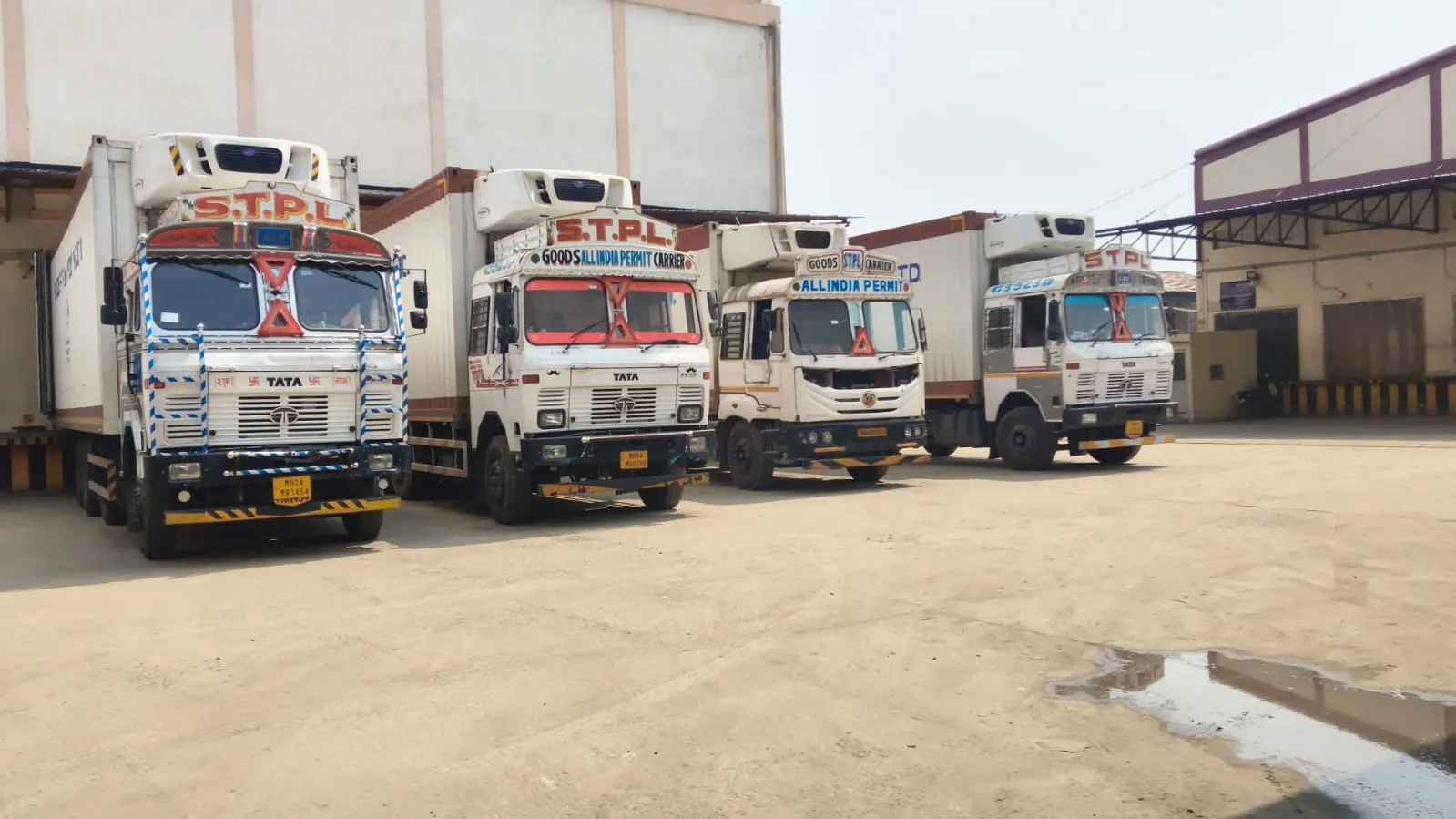
Sandeep Transport Private Limited has been in road transport since 1996 and now works as a specialised refrigerated carrier. The company runs 74 refrigerated trucks, all with 32-ft containers, across India and into Nepal.
Every load moves with the same setup:
- Frozen, reefer (chilled) or ambient mode, set to your requirement
- GPS tracking for the whole trip
- Temperature sensors in every container
- AI dashcam monitoring of every driver
- An FSSAI-licensed food transporter, with licence documents available on request for vendor onboarding
- One point of contact, Monday to Saturday, 10 am to 7 pm
The fleet serves four sectors: FMCG, ice cream and frozen goods, dairy products, and pharma. You can read more on the temperature-controlled transport page, see the fleet and technology on every truck, or review the quality and compliance approach. Sector details are on the industries we serve page.
Good reefer truck transport services in India come down to three things: the right temperature mode, proof that it was held, and a carrier that answers the phone when something changes. Vet carriers on documents, monitoring and records before you compare rates. Then tighten your own dock routine, because the cold chain starts before the truck doors close.
If you are planning frozen, chilled or ambient loads, share your lane, dates and temperature mode with our team. Request a quote and we will respond with truck availability for your route.